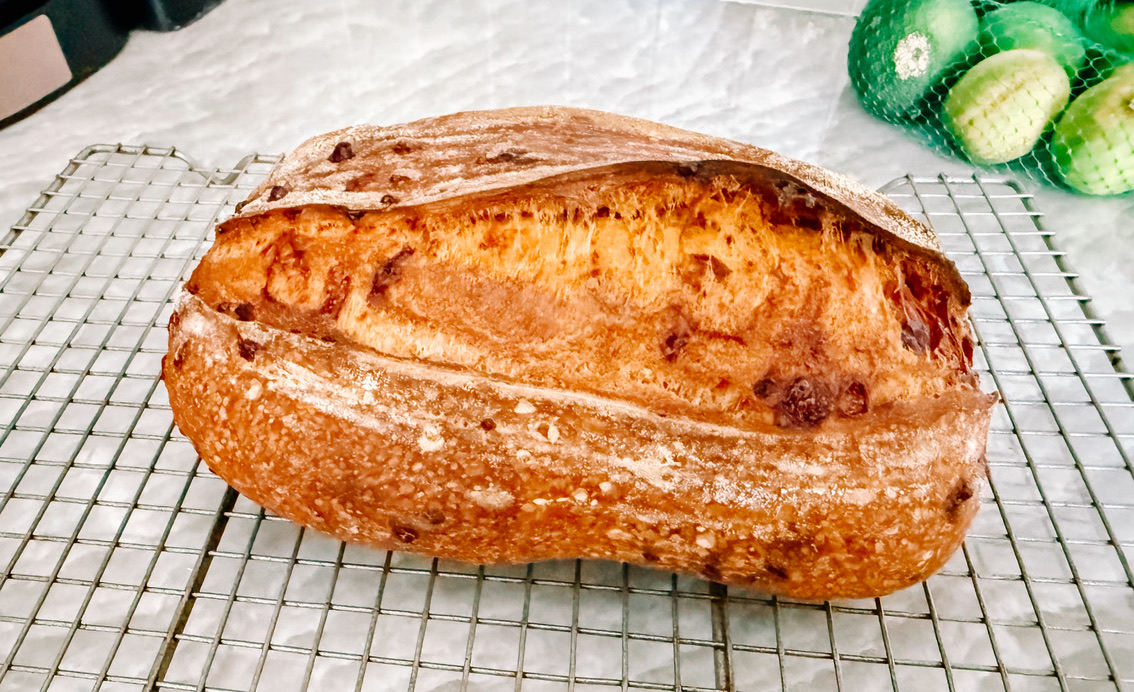
The Casa Dos Osos House Loaf
One dependable dough with three practical ways to bake it.
Choose the dough you want to make. We’ll turn your baker’s percentages into a clear, ready-to-mix recipe.
Sourdough for actual life
My Proofing Box began with a simple frustration: sourdough recipes are easy to find, but they are not always easy to adapt. A formula written for someone else’s flour, climate, schedule, and enormous Dutch oven may not behave the same way in your kitchen.
Use the calculator to build a sensible starting point, then use the guides to understand what your dough is telling you. The goal is not to chase a theoretically perfect loaf. It is to make bread you like—and to know what you might change the next time.
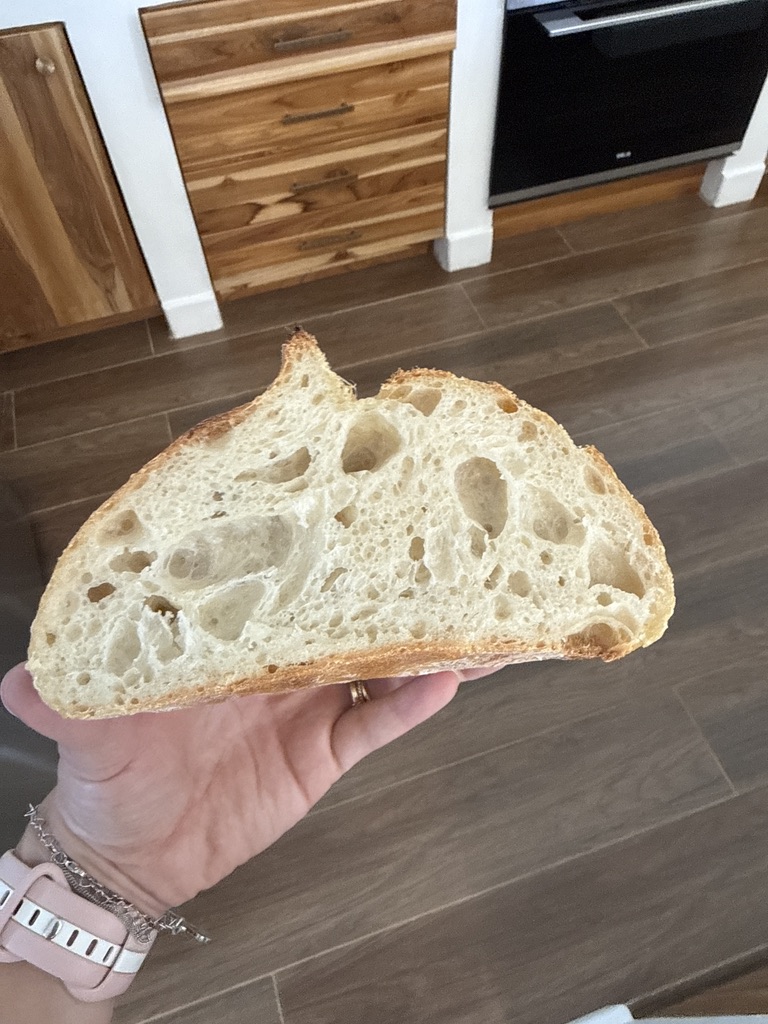
From our kitchen
Original formulas with baker’s percentages, complete methods, and the practical notes I want beside me on baking day.
One dependable dough with three practical ways to bake it.
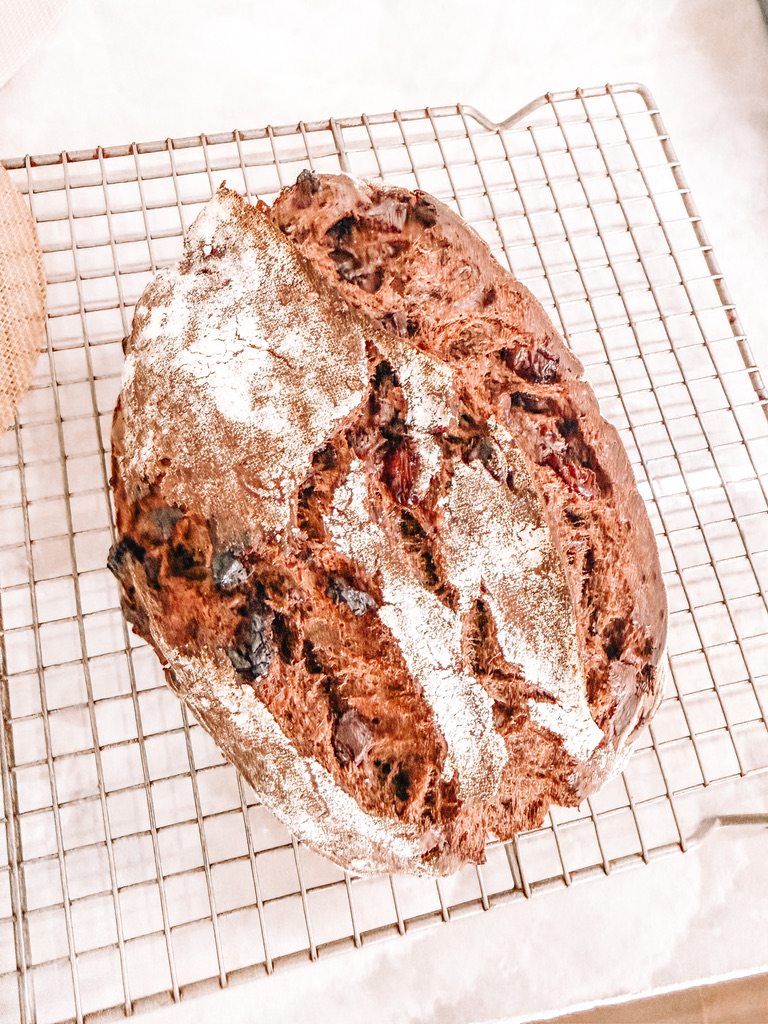
A dark, dramatic loaf with tart cherries and pockets of chocolate.
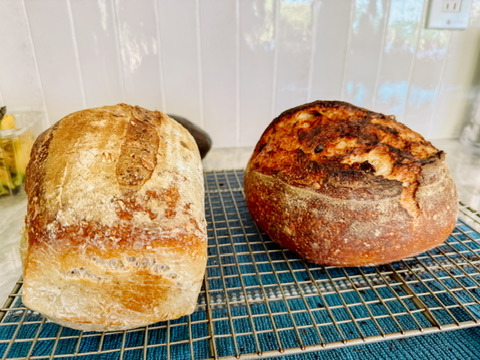
Soft, sliceable sourdough made for toast, sandwiches, and ordinary Tuesdays.
Learn one question at a time
No sourdough doctrine and no merit badges for making the wettest possible dough—just enough context to make a confident decision.
Start here
Starter care
Dough handling
A quick crumb of context
Bakers treat all flour as 100%, then describe every other ingredient as a percentage of that flour. It makes recipes easy to scale—from one loaf to twenty—without changing the dough. Read the beginner’s guide.